What is a PID detector?
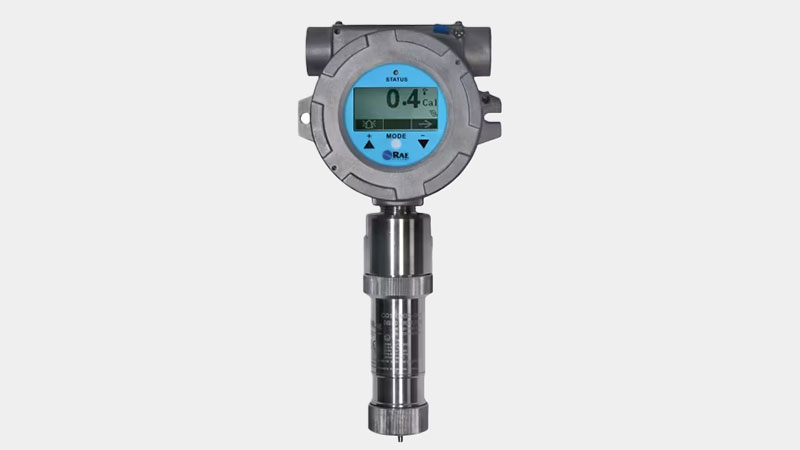
A Photoionisation Detector (PID) is a type of gas detection instrument that uses ultraviolet (UV) light to ionise gas molecules in the air. When these molecules are ionised, they produce an electrical current that the detector measures, allowing it to identify and quantify volatile organic compounds (VOCs) and other gases.
How does PID technology work?
- UV Lamp: The core of a PID is a UV lamp that emits photons at specific energy levels (commonly 10.6 eV).
- Ionisation Process: When VOCs or certain gases absorb this UV energy, they lose electrons and become ionised.
- Detection: The resulting ions create a measurable current, which correlates to the concentration of the gas.
- Calibration: PIDs are typically calibrated to a reference gas like isobutylene, and readings for other gases are adjusted using correction factors.
Typical uses
PID gas sensors are widely used in:
- Industrial Hygiene: Monitoring VOCs in workplaces to ensure safe exposure levels.
- Hazardous Material Response: Identifying unknown chemicals during emergency situations.
- Confined Space Entry: Checking for dangerous VOC levels before workers enter tanks or vessels.
- Leak Detection: Locating leaks in chemical plants or pipelines.
Advantages of PID sensors
- High Sensitivity: Detects VOCs at very low concentrations (parts per billion).
- Fast Response: Provides real-time readings.
- Portable Options: Available in handheld models for field use.
- Broad Range: Can detect hundreds of different VOCs and some inorganic gases.
Disadvantages of PID sensors
- Limited Gas Detection: Cannot detect gases with ionisation potentials higher than the lamp energy (e.g., methane).
- Humidity Interference: High moisture can affect readings.
- Lamp Maintenance: UV lamps require regular cleaning and replacement.
- Calibration Needs: Frequent calibration is necessary for accurate results.
Summary
Photoionisation Detectors are essential tools for detecting VOCs and other hazardous gases in industrial, environmental, and emergency response applications. While they offer high sensitivity and quick results, users must be aware of their limitations and maintain them properly for reliable performance.